A good property page does more than show a pretty room. It holds attention long enough for a buyer to orient themselves, imagine a future there, and take the next step. When I first audited a mid-market brokerage’s site that later partnered with Luminis Media, average time on page across listing detail pages hovered around 46 seconds. Photo bounce was obvious in the heatmaps: users hit the gallery, flipped past three to five images, then exited. After shifting to Luminis Media real estate photos, revising the gallery order, adding measured captions, and tightening image delivery, we saw the average session stretch to nearly two minutes with contact clicks up by a third. The page template did not change dramatically. The photos did, and the way they worked for the user did as well.
Time on page is not a vanity metric in real estate. Longer dwell time usually corresponds with higher lead quality and better conversion to showing requests. The path to that lift is not magic. It is a sequence of choices, from how a foyer is lit to the crop on a kitchen island to the load speed on mobile when a commuter opens a link from a text. Luminis Media real estate photography is designed along that entire chain, informed by how buyers behave in the wild, not just what looks good in a studio.
Why time on page matters for listing performance
A property page competes with two things: other homes and the user’s next tap. Zillow or a portal feed has set buyer expectations around pace and clarity. If your page does not deliver substance fast, it bleeds attention. The result is a shorter glance, lower brand trust, and a weaker hand when negotiating appointments or offers. Time on page, combined with scroll depth and gallery interaction, tells you whether buyers are investing cognitive effort in your listing or skimming.
What moves that needle? In my experience: visual pacing, cognitive ease, and the sense of discovery. Luminis Media property photography gives each of those a nudge. It is not that the living room is sharper. It is that the frame invites the next click and the next, with the right level of context and the right friction in the right places.
Search engines do not rank listings the way they rank blog posts, but they do respond to engagement signals across your domain. When a large portion of your traffic arrives from search and social, better dwell time and lower bounce compound. Pages that keep visitors tend to win more downstream visibility. That is where real estate photos Luminis Media delivers cross into sitewide performance, not just one address.
What changes when you switch to Luminis Media
Most photographers can produce real estate photography spring tx a bright kitchen. The difference with real estate photography Luminis Media comes from a workflow rooted in buyer psychology and platform constraints. The team composes for small screens first, then tests on desktop, not the other way around. They balance window pull, lamp warmth, and white cabinetry without producing the flat, sterile look that drives quick exits. Highlights feel intentional. Corners are square, verticals corrected, but not so stiff that the image looks artificial. Shadows are not fearfully erased. They guide the eye.
That attention to human perception shows up in the micro-choices. Mirrors are framed to avoid distracting reflections. Rugs align with edges to reduce subconscious tension. When you stack images in a gallery that carry that kind of consistency, the viewer unconsciously relaxes. They keep going. Time accumulates.
Luminis Media listing photography also follows a narrative plan. The first four frames have a job. They establish exterior context, an inviting threshold, the primary social space, and the kitchen. Only then do they branch into secondary rooms or feature vignettes. That arc does not feel scripted, it feels intuitive. You do not need a map to understand the flow, which keeps the thumb moving.
The mechanics of attention: five ways photos buy seconds
There are many small forces at work on a listing page. The following mechanisms show up again and again in analytics reviews when switching to luminis.media real estate photography.
- Visual anchoring in the hero: The best hero image does not just impress, it reduces ambiguity about the property type and quality. Anchored expectation cuts early exits by removing buyer disorientation. Narrative continuity across frames: Each photo adds orientation cues, such as a repeated light fixture or sightline, so the brain builds a mental floor plan. That sense-making keeps users engaged. Texture and material cues: High fidelity on textures, from matte oak to honed marble, triggers deeper inspection. Viewers pause on counters and flooring more than you would expect, adding dwell time. Contextual captions that answer one question: Simple notes like South-facing backyard, 18-foot ceilings, or Garage fits a full-size SUV reduce cognitive search. Precise answers translate to slower exits. Measured variety: Alternating wide room frames with two or three detail vignettes resets visual fatigue. The shift in scale refreshes attention without confusing the sequence.
These are not abstract theories. You can see the pauses in session recordings, count the beats as the user pinches to zoom a countertop seam, then returns to the gallery.
Gallery order is a strategy, not a habit
Most brokerages default to exterior, kitchen, living, primary bedroom, bathroom, backyard, and then a dump of everything else in whatever order files were delivered. Luminis Media real estate photos arrive with a suggested sequence based on the property’s core story and expected buyer. A rowhouse near transit asks for a different order than a hilltop home with a view. I have seen measurable differences from small shifts. Put the balcony view at frame three rather than nine and watch users spend longer in the carousel.
This sequencing matters most on mobile. On a phone, a viewer rarely jumps to a floor plan first. They swipe through five to eight photos, then decide whether to keep investing. Luminis Media property photography, especially when the first detail shot carries a scale cue like a handrail or a door hinge, helps a buyer decode spaces they cannot walk yet. It also protects against common misreads, like a dining room that looks cramped without a wide lens, or a bedroom that could be mistaken for a den. The right order fixes these misunderstandings before they cause abandonment.
For homes with quirks, the sequence can set expectations. If the laundry room is downsized, show the generous mudroom first and mention proximity to the back entrance in the caption. You are trading minor seconds of inspection now for fewer surprises later, which improves downstream lead quality.
The invisible half: speed, size, and structure
Beautiful images cannot save a page that stalls. Every second of load time erodes attention. When we integrated luminis.media real estate photography into a national builder’s CMS, the technical package mattered as much as the frames. Files arrived in multiple resolutions, ready for responsive serving. WebP and modern JPEGs balanced footprint with fidelity. Metadata was clean. ALT text followed a functional pattern rather than stuffing keywords.
You do not need exotic tooling to get this right, but you do need discipline:
- Serve appropriately sized images per breakpoints. Lazy load below-the-fold assets. Use a CDN with smart caching. Name files semantically for your DAM hygiene.
Those four items, executed consistently, shave hundreds of milliseconds per gallery interaction. On mobile, that is the difference between a smooth scroll and a sticky one. Luminis Media real estate photography teams collaborate directly with web implementers to align on this layer, which is rare and valuable. The photography choices upstream, like avoiding overuse of extreme HDR that produces heavy files, also factor into speed.
Schema and accessibility matter here too. If you can add structured data relevant to listings and map descriptive ALT tags to hero and primary frames, you make the page friendlier to assistive tech and potentially improve how thumbnails appear when shared. That is not the photographer’s job per se, but luminis.media real estate photography comes with enough descriptive context to make it easy.
Case observations across price points
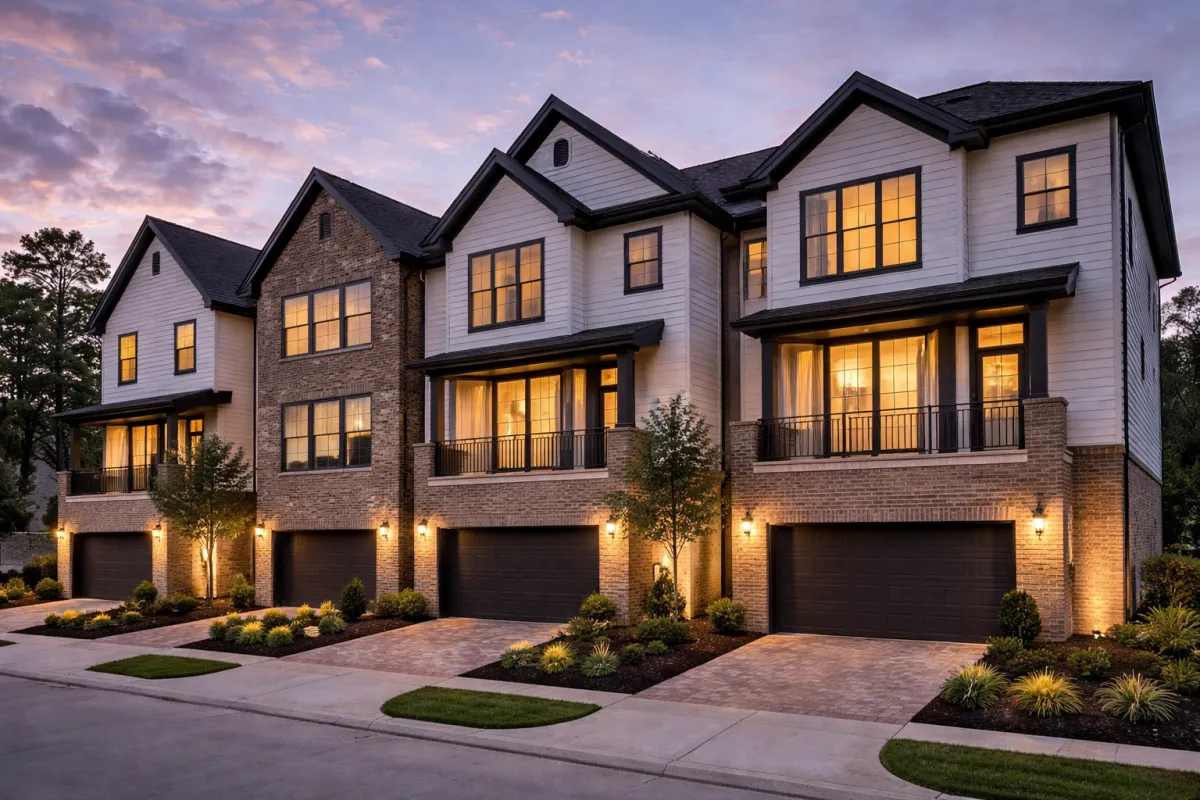
The first time we saw a major jump in time on page after a Luminis Media rollout, it happened on a set of entry-level townhomes. The model had builder-grade finishes and a small footprint. The pre-upgrade gallery leaned too hard on wide angles, which made rooms feel stretched and less believable. Prospects sensed the exaggeration, exited quickly, and asked skeptical questions later.
After switching to Luminis Media property photography, rooms were framed with restrained focal lengths. The result looked more honest, and paradoxically, more spacious because the eye trusted the perspective. Subtle details were highlighted, like an under-stair storage niche with baskets and a bike. Average time on page increased by 41 percent over six weeks, while scroll depth to the mortgage calculator rose by 28 percent. Fewer leads claimed the home was smaller than expected when touring.
At the other end, we ran a test across a set of penthouse listings positioned for relocation executives. Luxury real estate photography Luminis Media handled glare control on floor-to-ceiling glass without dulling the skyline. Detail frames showed junctions where steel met walnut, not just the predictable wine fridge. Those touches earned pauses. On recordings, viewers lingered on three or four detail frames, sometimes returning to them after a wide shot, as if confirming that the material character was consistent throughout. The observed dwell time lift was slightly smaller than in mid-market, around 20 to 25 percent, but the quality of inquiries improved. Several buyers referenced specific details in their first messages, a strong sign of engaged attention.
Photos and video working together
Add motion wisely and time on page grows again. Luminis Media real estate videography follows the same editorial approach as the stills. Short, chaptered clips with on-screen labels complement the gallery rather than compete with it. A three-minute property film is rarely watched end-to-end on mobile. A 30 to 45 second highlights cut, placed after the first third of the photos, often performs better.
There is a sequencing trick that helps: lead with a still image hero for speed, then drop a small inline video after a detail frame that teases motion. Done this way, the video feels like a reward for engaged scrollers. On a set of suburban family homes, real estate videography Luminis Media increased average gallery depth by two to three frames. The motion confirmed layout and outdoor flow, resolving questions that would otherwise prompt an exit.
For some properties, like tight urban condos, motion adds less value than a 3D plan or interactive panorama. Luminis Media real estate videography is used judiciously in those cases, often focusing on context footage outside the unit, like a courtyard, bike room, or nearby greenway. The point remains the same: align the medium to the buyer’s questions, not to a content checklist.
The luxury factor: restraint and precision
Luxury buyers carry a different filter. They have seen a hundred aspirational kitchens. They want proof of craft. Luminis Media luxury real estate photography works because it embraces restraint. Surfaces are allowed to breathe. Reflections are controlled without erasing the life of the space. Hardware is photographed at angles that reveal tolerance and finish, not just glamour.
I recall a test with two galleries for a modernist home. One set used heavy twilight exteriors and high-drama interiors. The other, from luxury real estate photography luminis.media, kept daylight consistent and leaned into serene palettes. The dramatic set had more initial clicks from ads, but the calm set kept users longer on page and produced more appointment requests from principals rather than assistants. For high-end listings, time on page and lead seniority often go together. The quieter frames signal confidence and reduce the performative noise that can make buyers suspicious.
When balancing stills with motion on top-tier homes, use real estate videography luminis.media to observe how light moves through the space at different hours. A 15 second morning-to-afternoon timelapse in the living area, embedded mid-gallery, can anchor a buyer’s imagination better than a long roaming shot.
Writing captions that add value without stealing the show
Captions can rob momentum if they read like marketing copy. With Luminis Media listing photography, captions answer a single natural question per frame. What direction is that window facing? How high are those ceilings? Where does that hallway lead? The best caption is 6 to 12 words and avoids cliches.
If you pair captions with a lightweight floor plan thumbnail near the gallery, you can cut premature exits from disorientation. Not every site template allows it, but when it does, place the plan anchor above the fold on desktop and within a swipe on mobile. It works even better with luminis.media property photography because the visual cues in the photos match the plan symbols. Users feel the alignment, then stay.
Testing what matters: a repeatable framework
You can deploy Luminis Media real estate photos and still miss the upside if you do not test the right hinges. A clean A/B plan isolates variables and reads beyond vanity clicks. I recommend starting with three levers: hero selection, gallery order for the first ten frames, and the presence or absence of short captions. Run each test for at least two weeks or 1,000 qualified sessions per variant, whichever comes first.
Set your primary success metric as time on page, segmented by device. Secondary metrics include gallery depth, click-to-contact rate, and plan or brochure downloads. On teams that track phone calls, annotate periods so you can tie spikes to creative changes. If your site uses event tracking, record the frame number where exits most often occur. Over time, patterns emerge, such as bathrooms that consistently create drop-offs unless followed by a return to a social space.
In one brokerage rollout, we found that putting the backyard before the kitchen on homes with sliders and decks reduced exits by 8 to 10 percent. Users wanted to understand indoor-outdoor flow early. The test would not have been obvious without structured measurement.
A compact checklist for implementation
If you are bringing in Luminis Media real estate photography or expanding your use of luminis.media real estate videography, these steps help lock in the gains.
- Define the first ten frames by property story and expected buyer, not convenience. Optimize delivery: responsive sizes, WebP where supported, and lazy loading below the fold. Add concise, factual captions to 30 to 50 percent of frames that answer likely questions. Pair galleries with a small floor plan anchor or an interactive map to maintain orientation. Run device-segmented A/B tests on hero choice and order, measuring gallery depth and contact clicks.
Keep the list visible for your content team, then revise it every quarter based on what your analytics tell you.
Common pitfalls that drain time on page
The most frequent error I see is over-polished HDR that flattens depth. When everything is luminous, nothing is legible. The human eye expects gradients and subtle falloff. Over-smoothing erases texture, and the user’s brain quietly checks out. Luminis Media real estate photographer teams avoid this by balancing bracketed exposures with restrained tonemapping and careful masking. The result has shape.
Another trap is heavy reliance on ultra-wide lenses indoors. Yes, you can show more of a room, but you also stretch it beyond credibility. On mobile, the distortion feels worse. Luminis Media real estate photography tends to use moderate focal lengths and steps back when possible, preserving geometry. The photo might show a bit less, yet it reads as larger because it reads as true.
Caption bloat causes quits too. If every frame pitches, the viewer stops trusting the page. Keep captions factual, and your calls to action will land better.
Finally, technical sloppiness ruins good work. I have seen beautiful luminis.media real estate photos served at 5,000 pixels wide to phones, taking three seconds to load on cellular. The user never sees the care that went into the image. Tools exist to automate responsive delivery. Use them.
Process matters: how Luminis Media works with teams
Turnaround speed is important in real estate, but not at the expense of narrative coherence. The Luminis Media real estate photographer assigned to a project usually scouts for five to ten minutes before setting up. They sketch a mental sequence, flag exposure traps like bright pools or mirrored walls, and decide where to save detail shots for later in the gallery. That pre-visualization shortens the edit and produces a more intentional set.
On delivery, luminis.media real estate photographer notes often include suggestions for the first pass at gallery order, highlight frames that can double as ad creatives, and alternative crops for social reels or vertical placements. This reduces the editorial burden on your marketing staff. For teams that also need videography, Luminis Media real estate videography production schedules are coordinated to prevent stills and motion from tripping over each other on site. You get consistent light conditions across both mediums.
Feedback loops keep improving outcomes. I encourage marketing leads to share analytics back to the crew. If your data shows users drop off after a certain bathroom shot, your photographer can adjust composition next time, maybe including more doorway context or a line of sight back to the bedroom.
Integrating the brand without stealing attention
Brand elements on a listing page should support the property, not overshadow it. Luminis Media listing photography gives you enough visual confidence to lighten your UI. Subtle overlays or watermarks are fine on thumbnails, but keep the hero image clean. If you add a logo, place it away from lines of sight like windows or major fixtures. Avoid animated logos near the gallery, which can look like ads and push users away from the content.
When using Luminis Media real estate photos across channels, maintain consistency. If an ad creative uses a tight detail of a stair stringer, make sure that frame exists in the full gallery. When a viewer clicks through from social, they should find the same image quickly. That continuity boosts trust and time on page because users feel they arrived in the right place.
When not to overdo it
Over-curation is a risk. An 80-photo gallery can become fatigue instead of value. For mid-market homes, 24 to 36 frames is usually enough when ordered well. For larger properties or acreage, you can push to 40 to 50, but only if the sequence keeps paying off. Luminis Media real estate photos often include alternatives for the cutting room floor. Use restraint. Keep the strongest version of each spatial idea. Fewer, better frames increase completion rates and preserve attention for your lead forms.
There are also times when videography adds load and little clarity. If a unit is nearly identical to a staged model that already has a film, reusing the model video with a precise note about differences is smarter than forcing a new, redundant cut. The goal is informed attention, not content volume.
The bottom line: photos as product design
Treat each listing page as a product, not a flyer. Every pixel has a job, and the job is to hold a buyer long enough for them to understand the home and act. Luminis Media real estate photography and luminis.media real estate videography help because they are built with that job in mind, from on-site choices to file delivery and suggested gallery order. The improvements to time on page are a side effect of a better viewer experience.
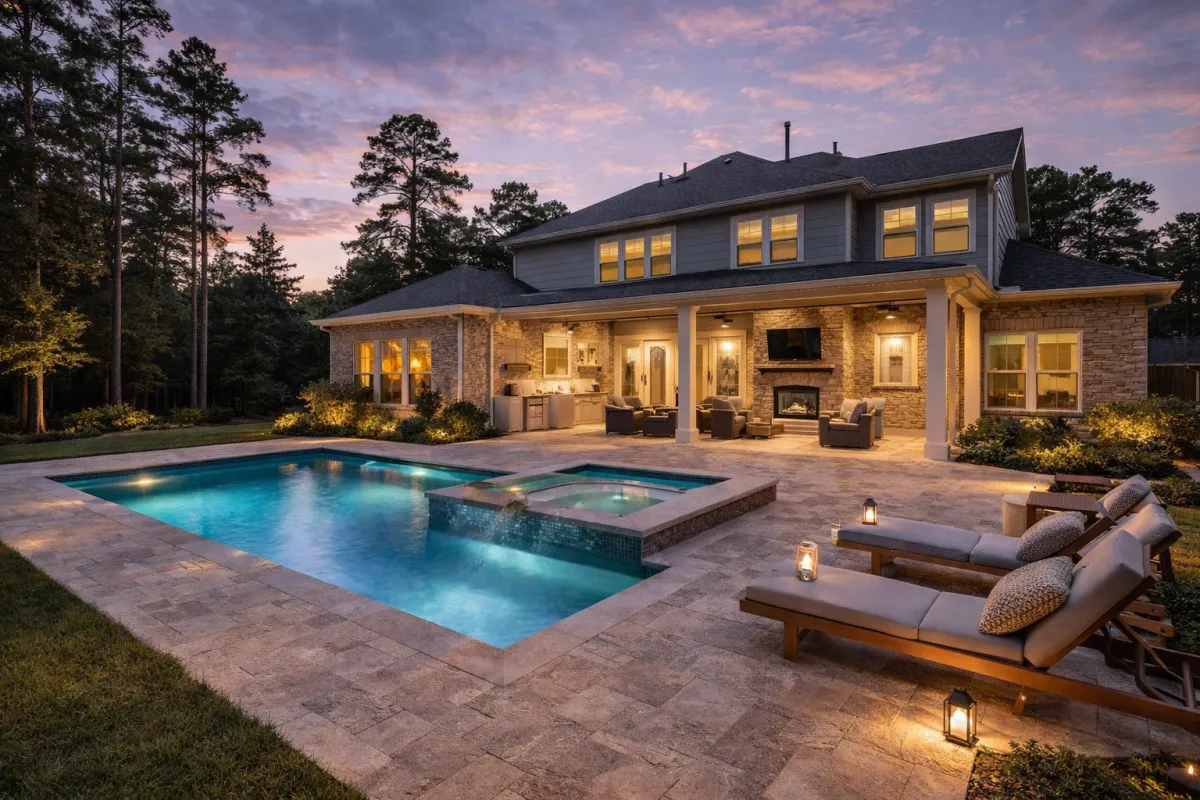
I have seen skeptical teams convert after a month of side-by-side testing. The pages do not feel radically different at first glance. But sessions last longer. People pause on photos that used to be throwaways. They read concise captions and click the contact button with more intent. That is what strong visuals do in real estate when they are shot and deployed with purpose. It is also how brand equity grows quietly in the background, frame by frame, minute by minute.
If you decide to test this path, start with a small group of listings. Use Luminis Media real estate photos for half and your current process for the rest. Control the page template. Measure device-segmented time on page, gallery depth, and contact conversions. Give it two or three listing cycles. Then look at the numbers and, more importantly, skim a few dozen session recordings. Watch where people rest their thumbs. You will see the difference before the chart tells you.